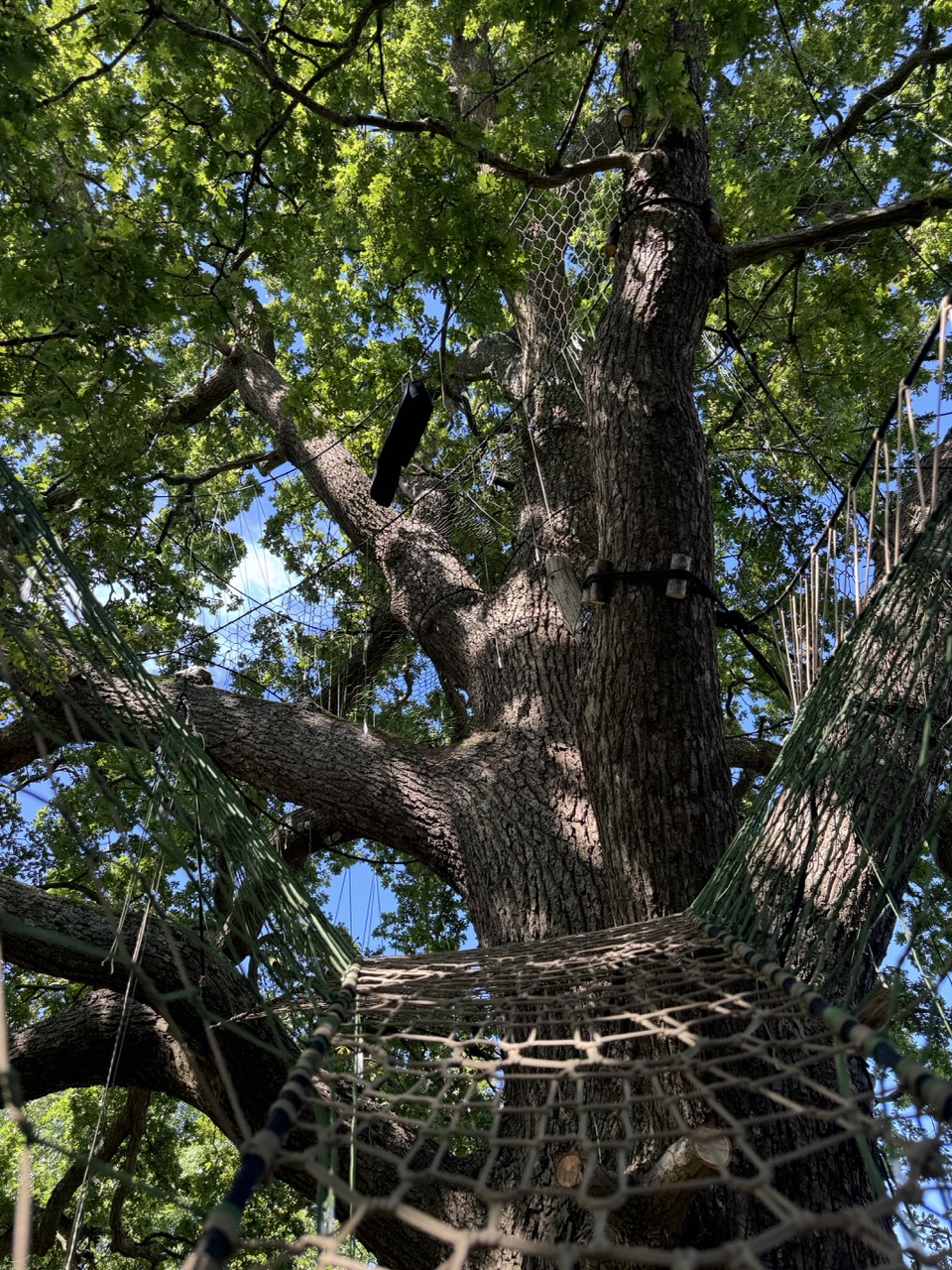
What are tree nets?
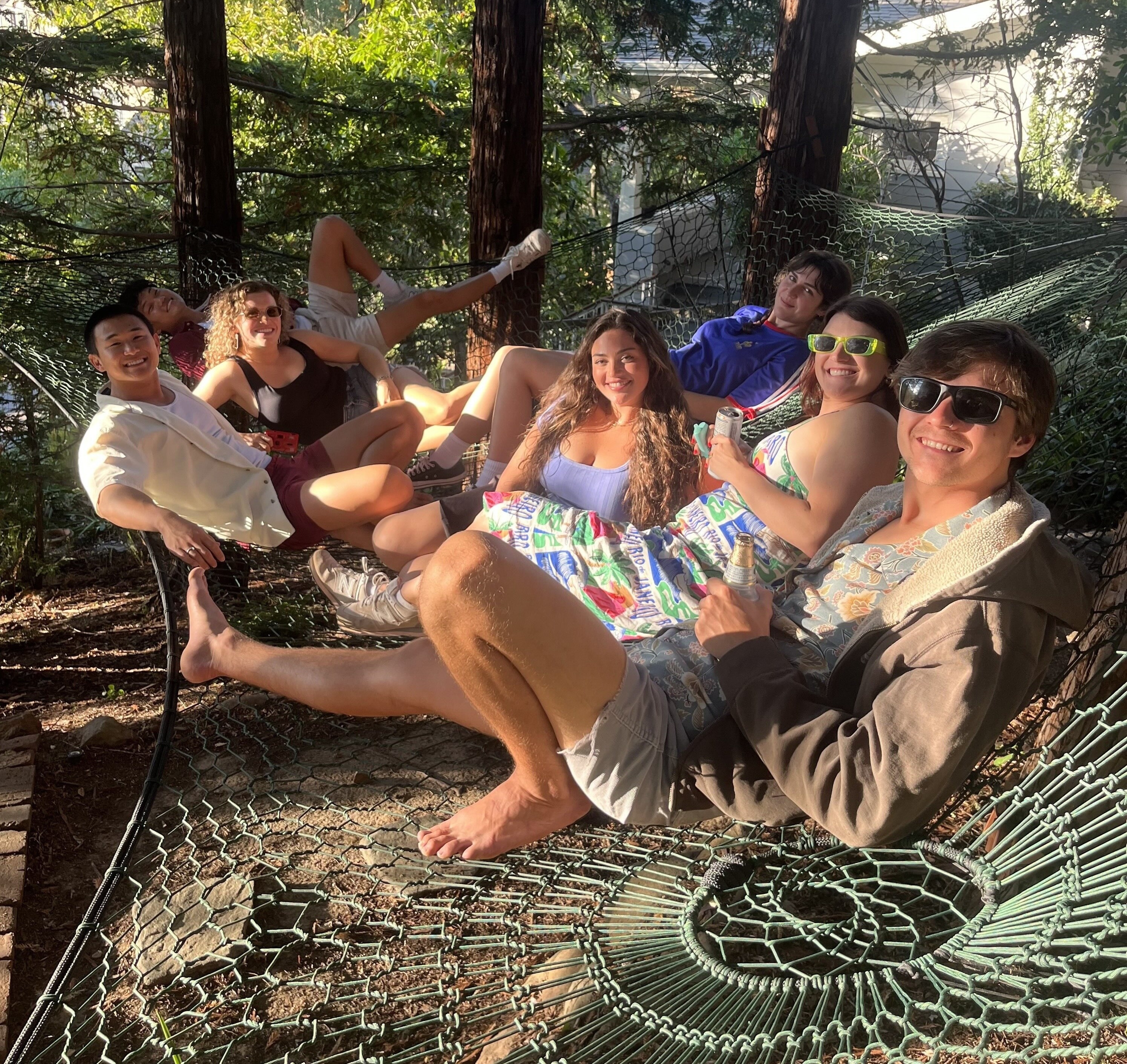
If you’ve never heard of tree nets before, think of them like a cross between tree houses, hammocks and trampolines, all woven by hand. The origin story is a bit blurry, but they’re often traced back to tree sits in northern California where activists wove nets high in the redwoods as places to live and resist logging operations.
Over time, they began to spread into all sorts of niches. They became secret hangout spots hidden in the woods, ambitious one-off art pieces, backyard play structures and eventually a craft that people began teaching, sharing and making their own. Today, tree nets come in all different shapes and sizes, from personal projects to larger installations.
What excites me the most though is that the craft is still unfolding. There’s no single right way to build a tree net and no fixed tradition to follow. Each new project adds something to a shared, evolving body of knowledge and anyone who steps into it has the chance to shape where it goes next.
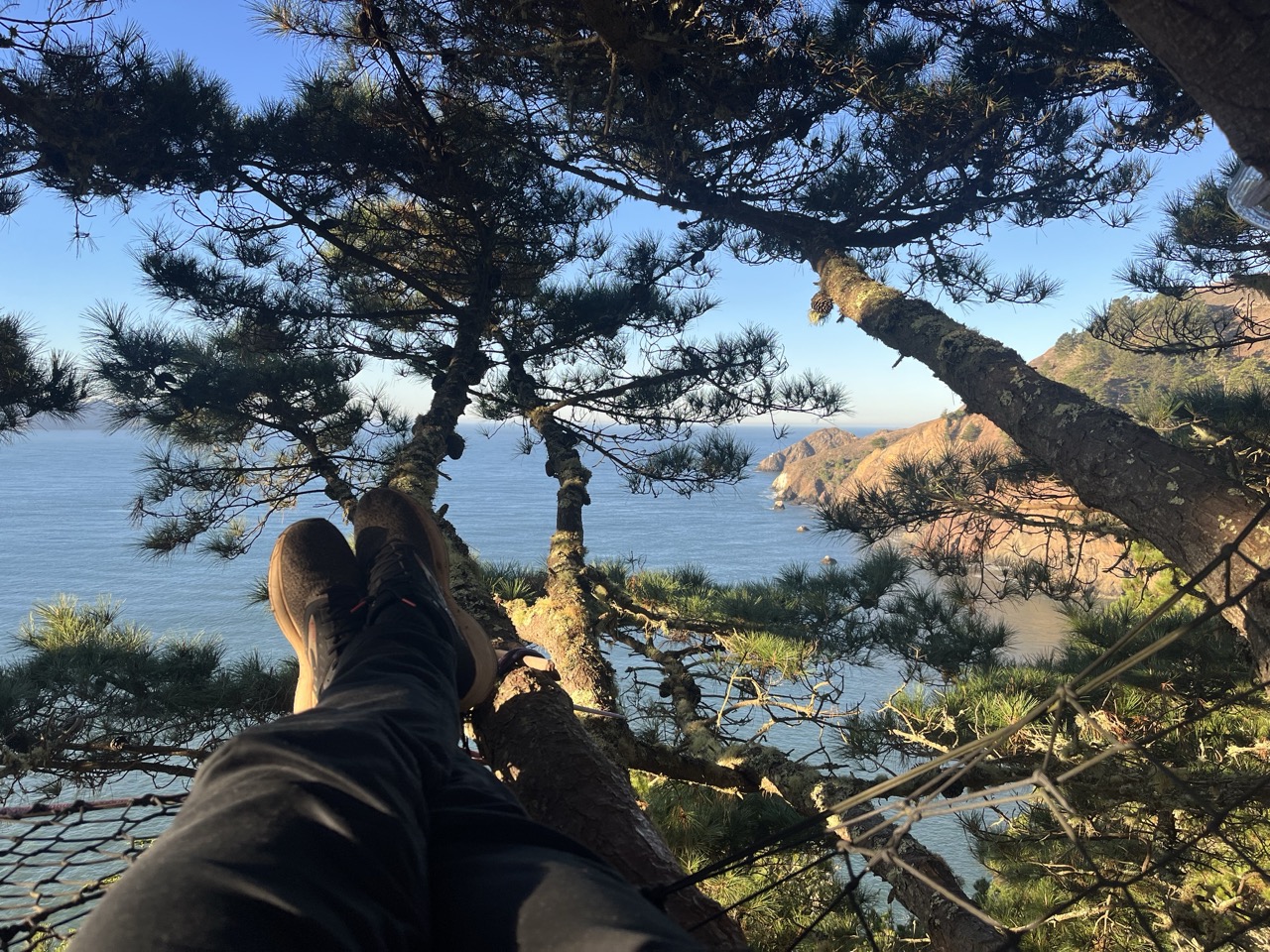
In my own experience, I was introduced to tree nets in high school as secret spots hidden amongst the trees and rolling hills of Marin, just north of San Francisco. The locations were closely guarded and rarely stumbled upon blindly. Even when you had a sense of where one might be, finding it still felt like a huge discovery.
And then when you did find a net, it wasn’t just something to look at and move on from. It became a destination. A place to be planned around. We’d hike out with food and spend hours up there, talking, resting and watching the sun set. Even though we didn’t make them, they felt like our places.
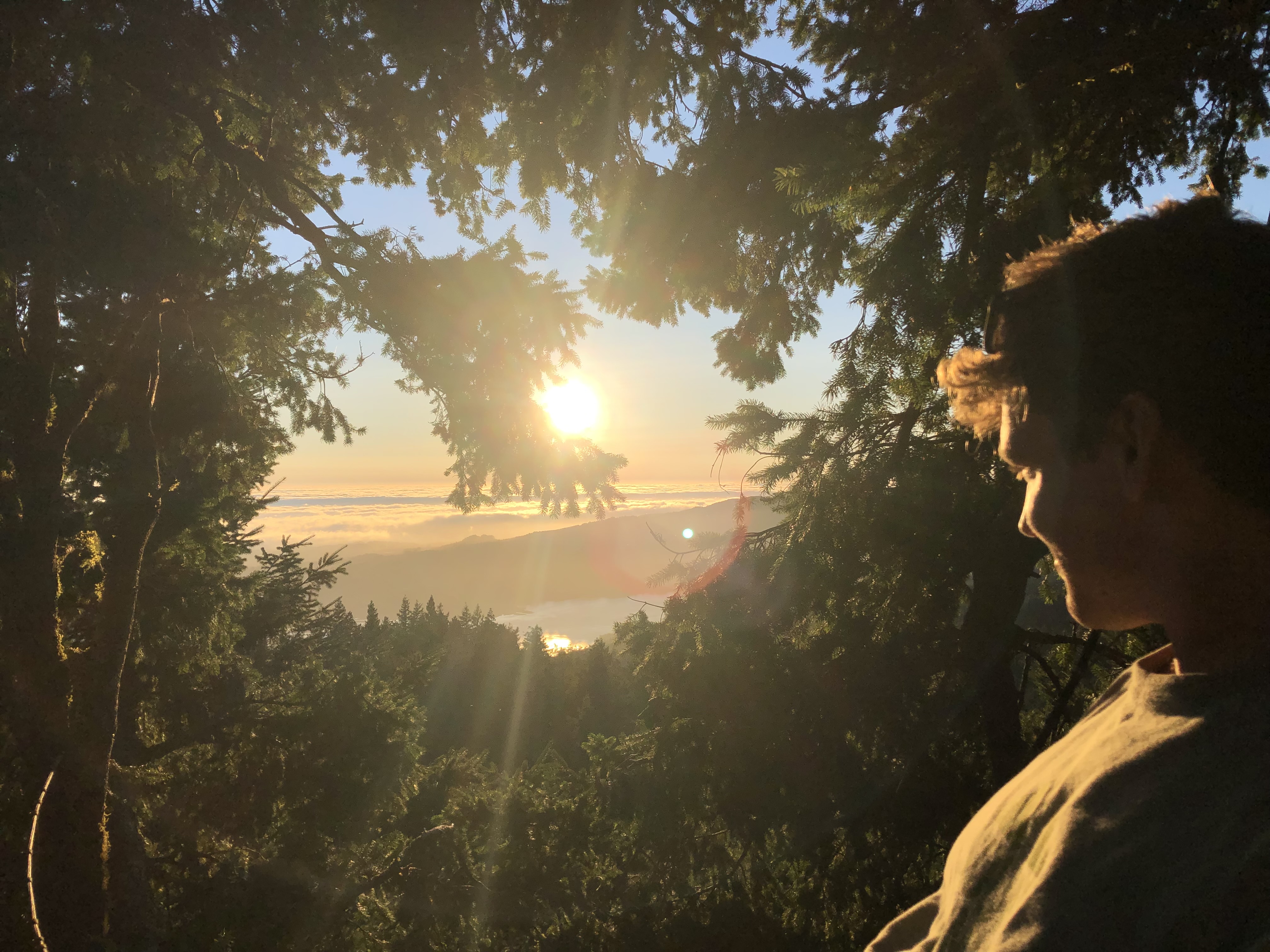
I quickly began to fantasize about all the nets that were out there, waiting to be discovered. We had no idea who built them or how they were put together. They felt almost like naturally occurring structures, hidden in the landscape. And through them, nature stopped feeling like something we passed through and started feeling like a place we could return to.
A lot of people assume I was a Boy Scout or a lifelong outdoorsy type but that wasn’t the case. It wasn’t until discovering tree nets in high school that I began to spend more and more time outside. For me, they became a bridge into the wild, making the woods feel accessible in a way they never had before.

It wasn’t until covid, five years later, when I was working remotely, that I decided to try weaving a net myself. I sat myself down on an upside down table with a ball of twine and slowly struggled through my first 2’x2’ net, drawing inspiration from what I’d seen out in the wild and also from the Instagrams of tree net legends like Andrew Castle, Treenetwillys and Charlie's Webs.
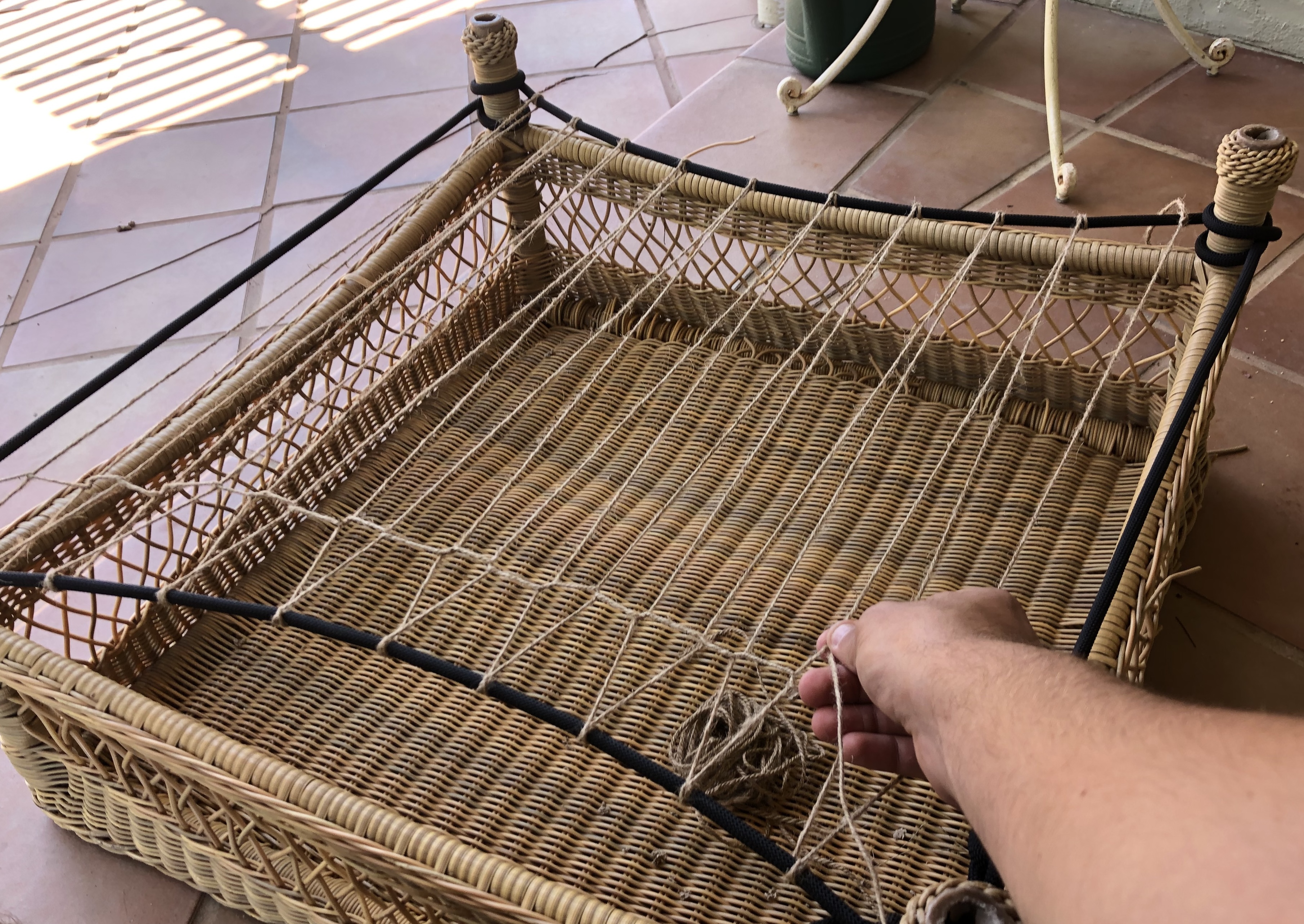
Over the years as I’ve experimented, I’ve constantly returned to the table to try out new ideas, patterns, shapes etc in a controlled space before the challenges of gravity, scale and height enter the picture. When I eventually began teaching, the table felt like a natural starting point as a place for students to understand knots, tension and structure.
Once I felt comfortable with the fundamentals, I took my newfound skills out into the woods to make my first net in a sprawling live oak. I’d wake up early each morning before work, weaving for a couple hours before returning to my laptop job back at home.
I loved the tactile nature of it and the struggle of trying to build something with my hands. In just a few days, I had become so comfortable navigating the canopy 15 feet up that I began to move through it without hesitation. What had once felt intimidating, slowly became a worksite and finally a place to rest.
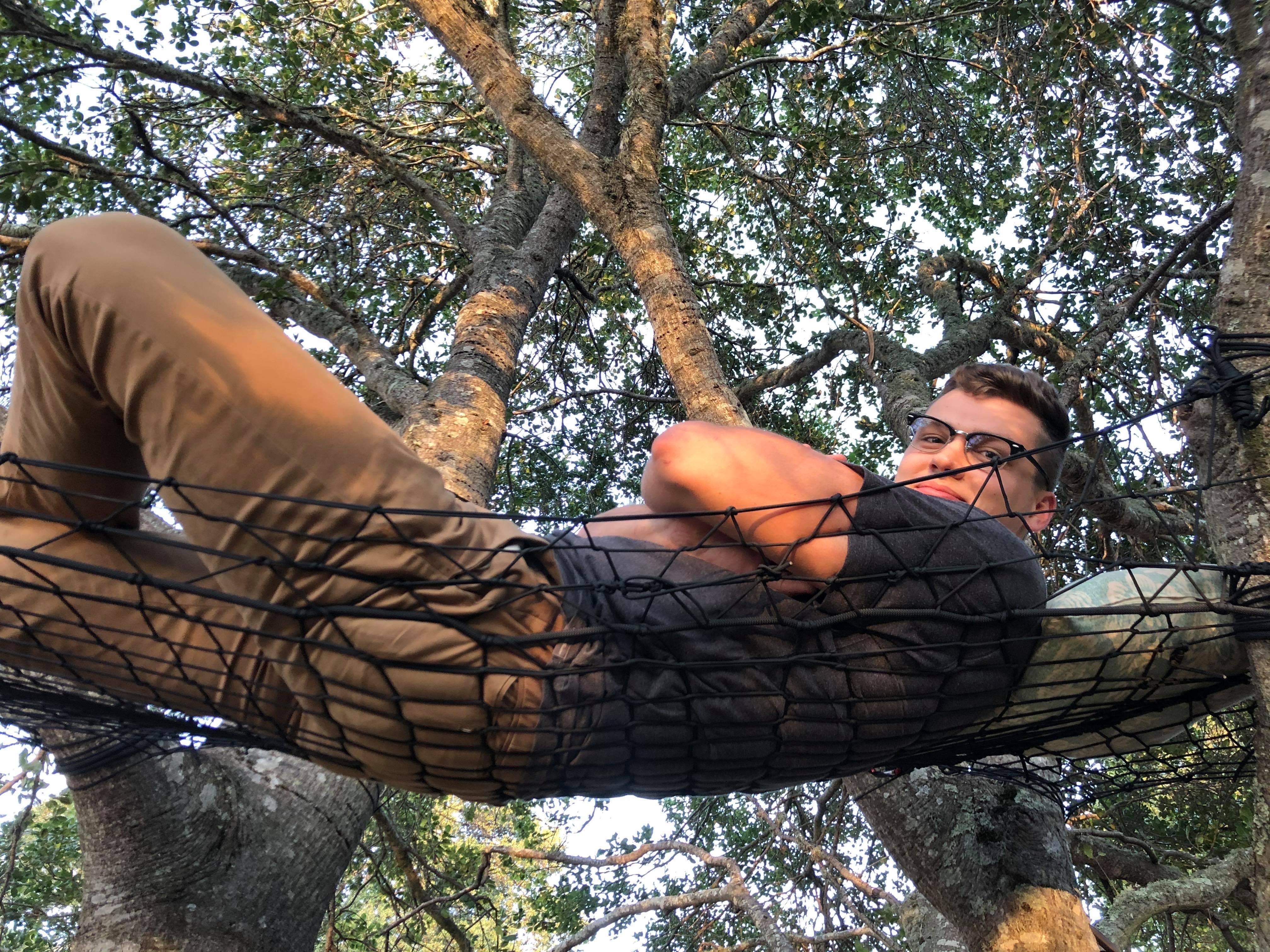
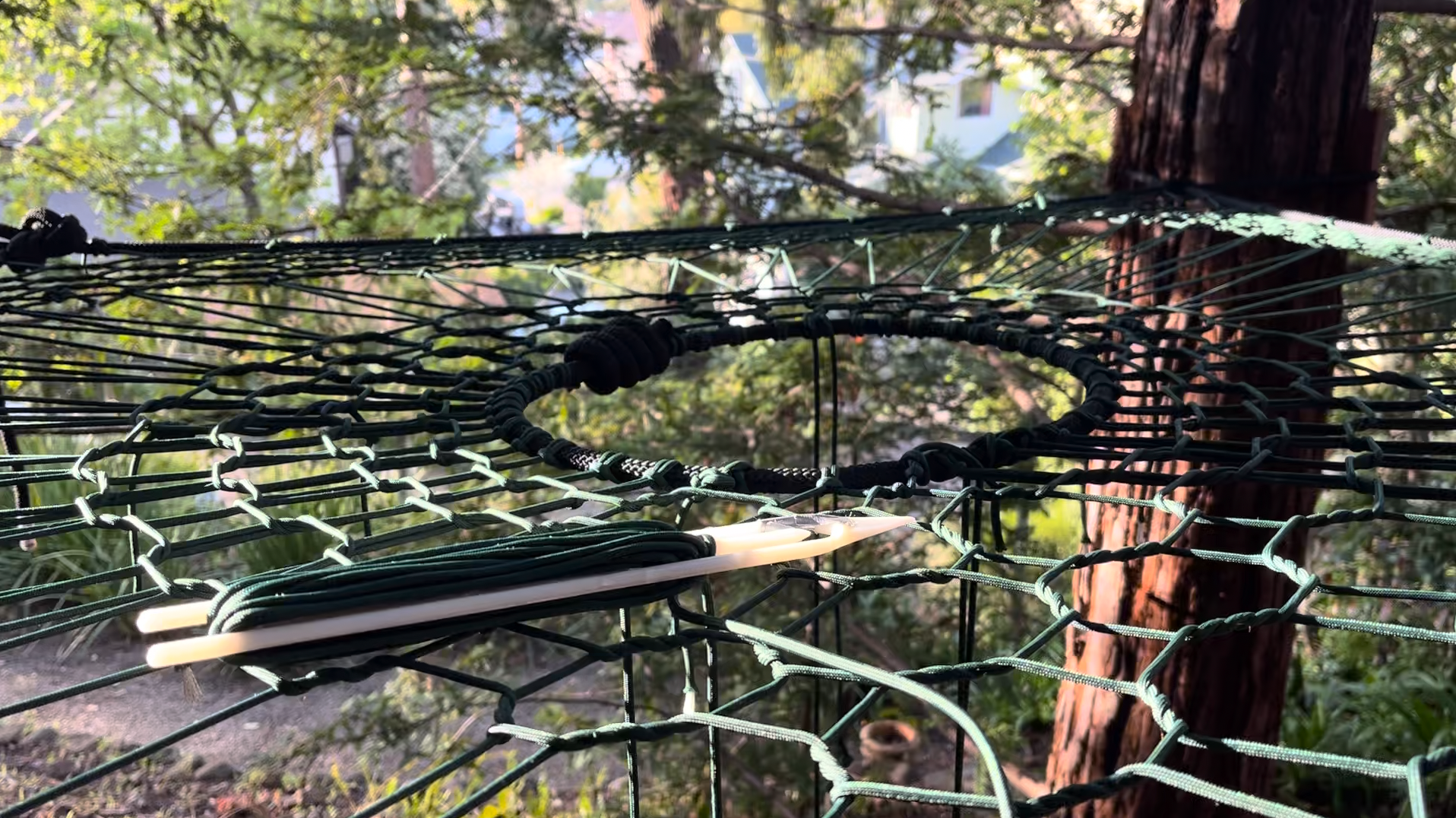
This is a question I keep returning to. It never completely is answered, but has become clearer through experience.
On the surface, there’s the obvious appeal. The joy of being in and amongst trees. The thrill of bouncing on them. The way they become a place to gather with friends or a quiet refuge tucked out of sight from the rest of the world.
But really, what keeps me coming back isn’t just the end result. It’s the process of building them.
Tree nets are demanding. They tend to feel like marathons, complete with moments of struggle, frustration and the occasional breakthrough. I feel like I never fully figure it out. Each project teaches me something new and each improvement reveals another limitation. No matter how refined the technique becomes, it can never be fully automated.
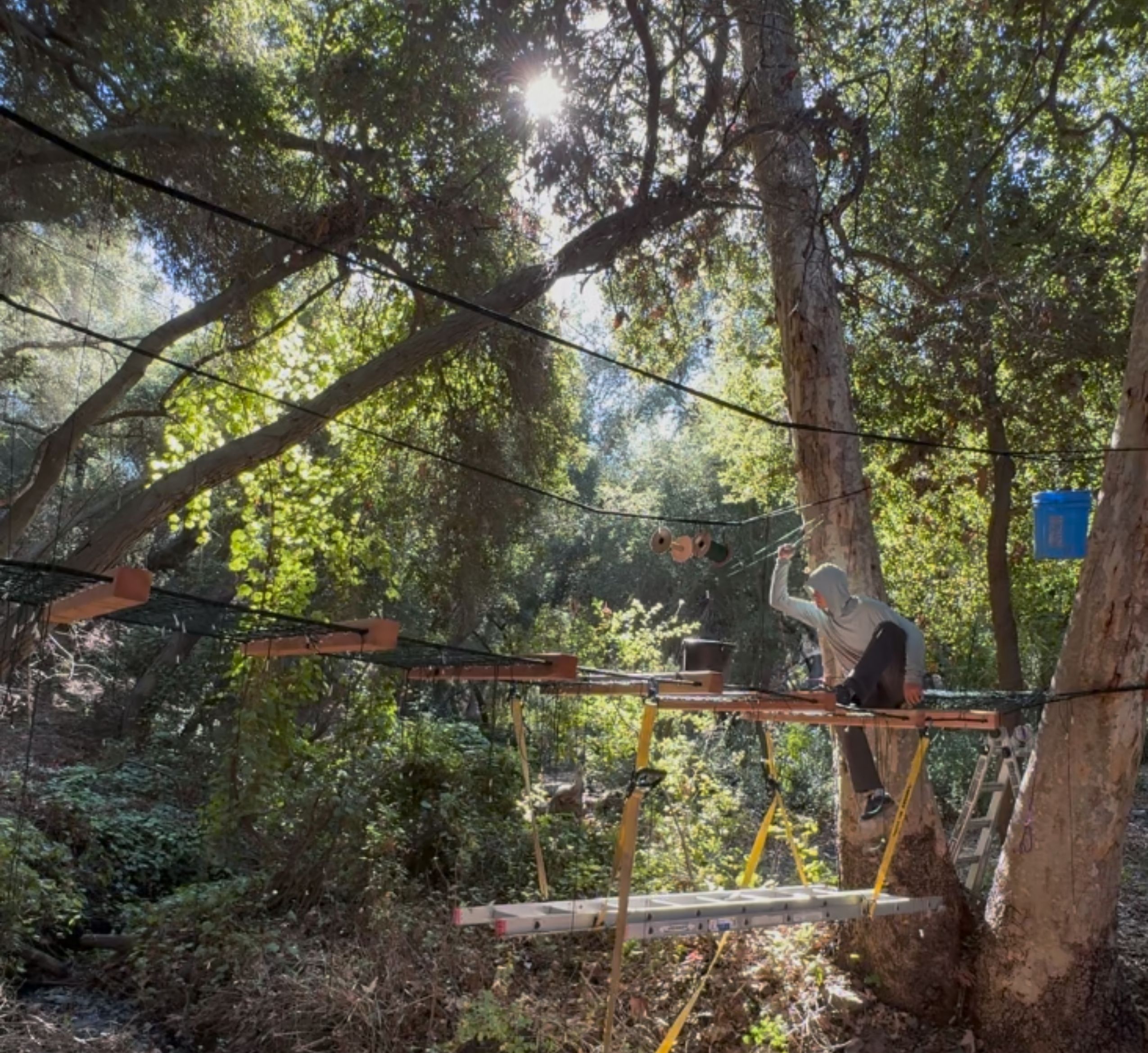
Unlike a building where you might plan first then execute, nets resist that order. You can start with an idea, but almost every time something comes up that forces you to think on the fly. Maybe a branch is in the wrong place or the perimeter is pulling inwards too far. Everything influences everything else, making it impossible to fully control the process.
Early on I resented this. I wanted control and clean outcomes, but over time, I realized that unpredictability wasn’t a flaw. It was the point.
Weaving nets feels less like imposing a design and more like collaborating with the space that’s already there. The shape emerges slowly through hours of small decisions in response to the tree, the tension and gravity. By the end, it feels less like something you executed and more like something discovered along the way.